.png)
25 signatures reached
To: Gwinnett County Board of Commissioners
Require Special Use Permits for Data Centers in Gwinnett County
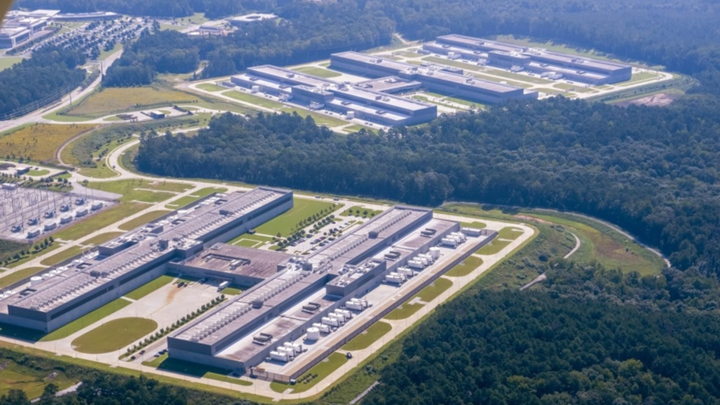
Data centers and cryptocurrency mining facilities can have significant impacts on power and water use, noise, emergency response, the environment, and surrounding neighborhoods. Requiring a Special Use Permit (SUP) would allow Gwinnett County to review those impacts before a facility is approved, set conditions specific to the site, and make sure those conditions continue to be met after it begins operating.
The proposed SUP requirements would:
1. Require studies of cumulative impacts, air emissions, emergency response, battery hazards, waste heat, low-frequency noise, utility infrastructure, and eventual decommissioning.
2. Set standards for setbacks and buffers, substations, generators, cooling systems, wastewater, lighting, financial security, and post-construction compliance.
3. Require annual reporting on energy and water use, emissions, noise, emergencies, corrective actions, taxes and incentives, and future expansion.
These issues have already been raised with the Gwinnett County Board of Commissioners, and draft SUP language has been provided for consideration.
See Fact Sheet and proposed SUP language here: https://tinyurl.com/gwinnettdcsup
See Fact Sheet and proposed SUP language here: https://tinyurl.com/gwinnettdcsup
We, the undersigned citizens of Gwinnett County, call upon the Board of Commissioners to require Special Use Permit approval for data centers and cryptocurrency mining facilities and adopt these protections as part of that process.
Why is this important?
Data centers and cryptocurrency mining facilities can affect electricity and water infrastructure, noise, emergency response, air quality, wastewater, surrounding properties, and other local resources. The proposed Special Use Permit would give Gwinnett County a process to review those impacts before approving a facility and to set conditions for an individual site.
The proposal would require applicants to provide information on utility needs, noise, water and wastewater, energy use and infrastructure, air emissions, emergency response, hazardous materials, waste heat, and cumulative impacts. It also includes proposed standards for setbacks and buffers, generators, cooling systems, lighting and decommissioning, along with annual reporting after a facility begins operating.