-
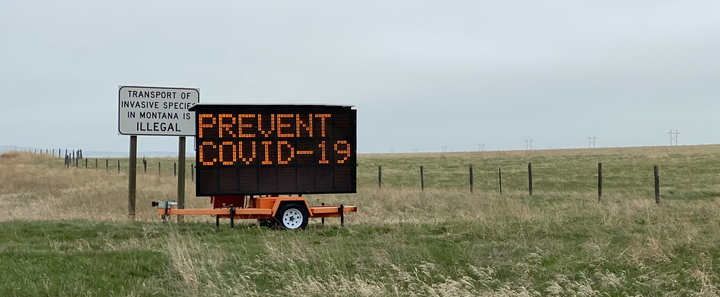 Keep COVID-19 Out of MontanaMontana's governor announced on May 19 that we are entering Phase 2 of reopening the Big Sky at the end of this month for "business as usual." The 14-day quarantine for non-work-related arrivals in Montana is being eliminated. We believe, however, that it is the state's primary job to ensure that all Montanans remain secure, safe, and healthy. Phase 2, as it relates to travelers coming to Montana starting June 1, fails that test. This Memorial Day weekend and week, when we begin to mourn the 100,000 COVID-19 deaths in America, we are entering the season when the vast majority of people discover Montana: summer vacation (plenty of people will be taking them—and deserve, too!). Normally we are a very attractive destination: everyone loves the “Big Sky”, whether they’ve been here or not. Why not this year? They’ll love us, even more, when they discover that Montana is “where there is no virus." Because Montana is a big blank spot on the nation's COVID-19 map, a second wave of COVID-19 infection in Montana, due to out-of-state travelers, has to be prevented now. It takes too much time to effectively protect our children once the virus is allowed to respread in our communities. We need to be prepared for this next wave—starting at the beginning of the summer—in order to build confidence that our kids can go to school in the fall. It's as simple as this: stop the viral spread of COVID-19 at our border. P.S. I wrote about how and why I started this petition at The Montana Post, https://themontanapost.com/blog/2020/05/23/guest-post-where-there-is-no-virus.608 of 800 SignaturesCreated by Marshall Mayer
 -
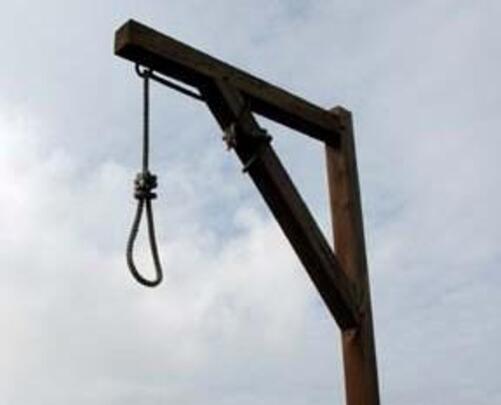.jpg) Let's Abolish Capital Punishment in the U.S.A!Capital punishment is an issue in the United States of America. There are many states that have currently legalized and retained the right to execute criminals for their crimes. Capital punishment is a cruel and unusual punishment, it is more costly than imprisonment, and many innocent lives are being taken because of it. Capital punishment should be abolished in the United States of America. First, capital punishment should not be legal because it is a cruel and unusual punishment. There are many different methods of execution, but not a single one is better than the other. All are heinous. Cruel and unusual punishments consist of lethal injection, hanging, gas chamber, electric chair, firing squad, and beheading. It is understandable that criminals deserve the worst for the horrific crimes that they commit, but death is not the answer. Next, capital punishment shouldn't be allowed because it is more expensive than a prison sentence. All the lawyers, judges, and other personnel put more hours into preparing, trying, and reviewing the issues, given that a life is at stake. In addition to the people who are participating in the trial, the equipment required to perform the execution is also very costly. If a criminal just got sentenced to jail, it would be a lot less expensive and the person would still be alive. Lastly, capital punishment should be abolished because many innocent people are being killed. The death penalty carries the inherent risk of executing an innocent person. Since 1973, more than 165 people who had been wrongly convicted and sentenced to death in the U.S. have been exonerated. Capital punishment should no longer exist because many people who are guilty of nothing have been killed. Unless it is absolutely certain that the person who is thought to be guilty actually is, nobody should be executed. In conclusion, capital punishment is a big problem and it only leads to more problems. Death should not be permitted. People deserve a second chance in life and they can't use their second chance if they are dead. We are on a mission to abolish capital punishment. So, who's with us?50 of 100 SignaturesCreated by Pusheen Cat
Let's Abolish Capital Punishment in the U.S.A!Capital punishment is an issue in the United States of America. There are many states that have currently legalized and retained the right to execute criminals for their crimes. Capital punishment is a cruel and unusual punishment, it is more costly than imprisonment, and many innocent lives are being taken because of it. Capital punishment should be abolished in the United States of America. First, capital punishment should not be legal because it is a cruel and unusual punishment. There are many different methods of execution, but not a single one is better than the other. All are heinous. Cruel and unusual punishments consist of lethal injection, hanging, gas chamber, electric chair, firing squad, and beheading. It is understandable that criminals deserve the worst for the horrific crimes that they commit, but death is not the answer. Next, capital punishment shouldn't be allowed because it is more expensive than a prison sentence. All the lawyers, judges, and other personnel put more hours into preparing, trying, and reviewing the issues, given that a life is at stake. In addition to the people who are participating in the trial, the equipment required to perform the execution is also very costly. If a criminal just got sentenced to jail, it would be a lot less expensive and the person would still be alive. Lastly, capital punishment should be abolished because many innocent people are being killed. The death penalty carries the inherent risk of executing an innocent person. Since 1973, more than 165 people who had been wrongly convicted and sentenced to death in the U.S. have been exonerated. Capital punishment should no longer exist because many people who are guilty of nothing have been killed. Unless it is absolutely certain that the person who is thought to be guilty actually is, nobody should be executed. In conclusion, capital punishment is a big problem and it only leads to more problems. Death should not be permitted. People deserve a second chance in life and they can't use their second chance if they are dead. We are on a mission to abolish capital punishment. So, who's with us?50 of 100 SignaturesCreated by Pusheen Cat -
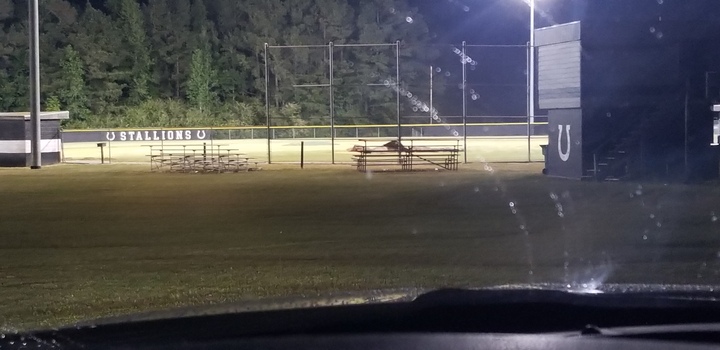 To let High School seniors finish spring sportsTo let senior athletes get the senior year they havent gotten yet to actually see what a senior season is and make memories that last forever34 of 100 SignaturesCreated by Teresa Gore
 -
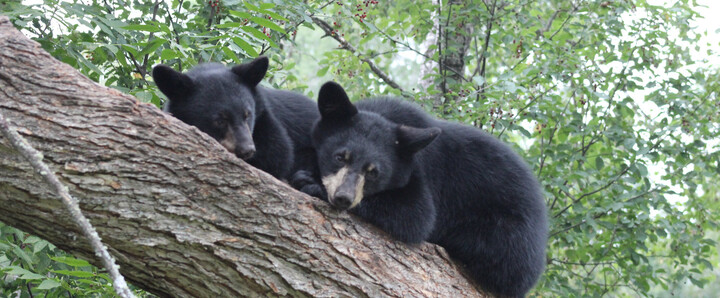 Stop the Trump Administration's Hunting Expansion on Wildlife Refuges!We're in the midst of Earth's sixth mass extinction — one species vanishes nearly every hour. Opening national wildlife refuges to more hunting is exactly the kind of action that is fueling the wildlife extinction crisis. We should be working to protect animals, not making it easier for them to be gunned down. These wild animals deserve to be safe from hunting in the very places set aside to protect them.35,142 of 40,000 SignaturesCreated by Center for Biological Diversity
-
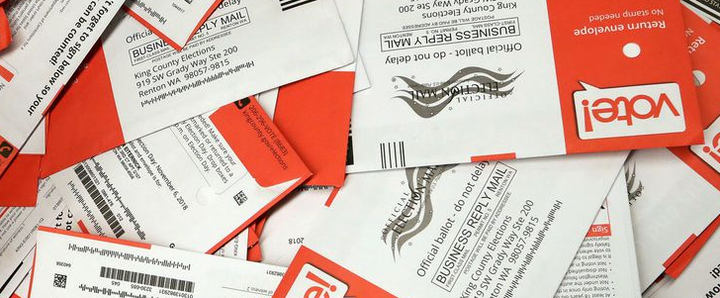 Join Tom Hanks and Rita Wilson by adding your name to fight for safe and fair electionsDuring the Wisconsin primary this spring, thousands of voters risked their health and defied a stay-at-home order to exercise their right to vote. Unfortunately, this isn’t the only story of states not being prepared to hold safe and fair elections in the middle of a pandemic. Every American deserves the right to cast their ballot safely and without unnecessary risk. That’s why we support the Natural Disaster and Emergency Ballot Act of 2020, n. This bill would do the following: Expand Access to Vote-by-Mail: Vote-by-mail could be the only safe and secure option for some Americans. States must offer multiple options for requesting, receiving, and returning mail-in ballots while maintaining the security of our voting system. Expand Early In-Person Voting: While all Americans should have the choice to vote by mail, it is crucial that we recognize that many people will prefer to vote in-person. We must make in-person voting as safe and available as possible. Expanded early voting will allow voters to cast their ballot a few days or sometimes weeks before Election Day. Expand Online Voter Registration: We should not make voter registration complicated if we really want everyone to participate. Online voter registration is a safe, accessible and secure way for voters all across this country can sign up to participate in our democracy. It allows eligible voters to quickly and easily register to vote online from the comfort of their own home. We know that when we knock down barriers to casting their ballot and make voting more accessible no matter who you are, more people -- especially young people and people of color -- turn out to vote. And when we all vote, we create a stronger democracy. Please add your name if you agree our nation must do more to guarantee safe and fair elections in 2020. Stay tuned for more information on how you can get involved.224,548 of 300,000 SignaturesCreated by Tom Hanks and Rita Wilson
 -
 Let’s Put Saving Lives Ahead of the Pentagon’s PR StuntsEach day, we hear story after story after story about someone who is suffering in the face of the coronavirus pandemic. In response, the Pentagon performed a series of military fighter jets flyovers across the United States in early May. But this ultra-militaristic show of force has nothing to do with COVID-19 — it won’t help people get their jobs back or get better. It’s simply a gigantic and insulting waste of taxpayer money in a moment when millions are asking for critical help and support. Our movement is built for fights just like this. When Trump wanted a tank parade, we stopped him. When his Administration tried to limit our rights to protest outside the White House on the National Mall, we fought back, and we won. We can win this fight, too, but only if we get loud now. Demand Secretary of Defense Mark Esper immediately stop fighter jet flyovers and redirect every dime planned for these shows to be spent on lifesaving medical equipment and economic relief instead.298 of 300 SignaturesCreated by Win Without War
-
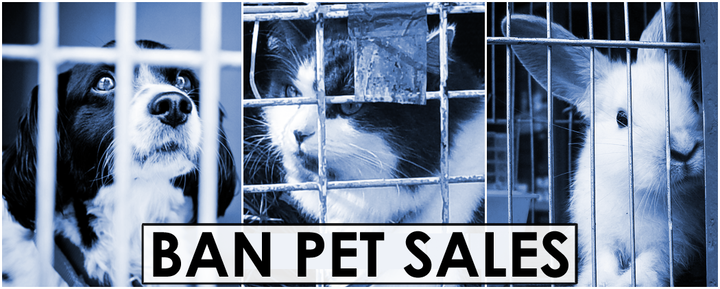 Ban Pet Sales in the Remaining 49 StatesBanning retail pet sales will save the lives of countless animals. Adopting a rescued animal saves a life. When you purchase an animal, you support the pet breeding industry, which includes puppy mills, cat breeding operations, and industrial rabbit farms. Every year countless animals are purchased on a whim, and end up at municipal shelters and rescues. These situations are preventable, simply by assuring that an adoption process is in place, and animals that are available are rescued, not bred.82 of 100 SignaturesCreated by Ryan Kelly
 -
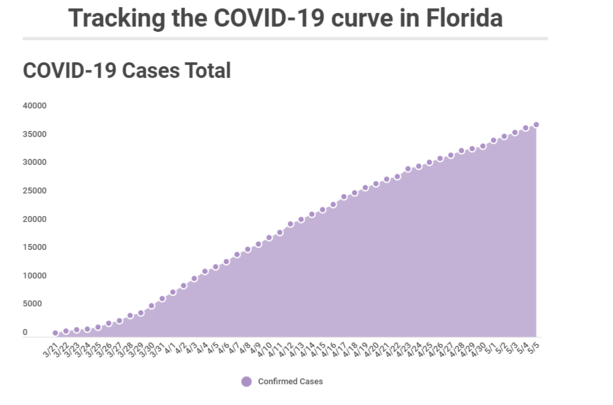 Listen to the Experts NOT Extremists! Keep Shelter in Place for Palm Beach CountyWe are deeply concerned about the growing number of COVID cases and deaths in our community. Palm Beach County's death count ALONE is higher than 18 other states. The handful of extremists who held a ReOpen Rally in front of your meeting last night do NOT represent the vast majority of residents who want Shelter in Place to continue until public health experts deem our county safe to enter Phase 1 of reopening. A poll taken on April 22 from Quinnipiac University showed among registered voters, 76 percent said the economy should only reopen when health experts say it's safe. Only 17 percent say Florida should reopen even if public health officials warn against it. source - https://poll.qu.edu/florida/release-detail?ReleaseID=3659 Please listen to the EXPERTS, not the extremists and keep Shelter in Place for Palm Beach County until health experts believe it is safe to begins Phase 1.319 of 400 SignaturesCreated by Meagan Bell
 -
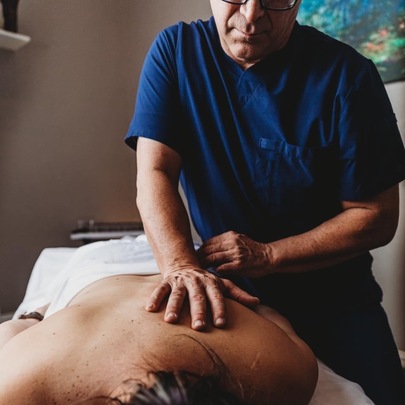 Massage Therapists Deserve To Make An Income TooMassage therapists provide medically necessary services for their clients including but not limited to services that: 1. Boosts the immune system 2. Help drain the lymphatic system 3. Reduces pain and inflammation 4. Improves circulation and lowers blood pressure 5. Lowers stress 6. Helps with fatigue 7. And a multitude of other benefits Many of our clients have chronic illnesses and come to us to help alleviate pain and to maintain a higher quality of life. By forcing us to stay closed, you are handicapping us and preventing us from taking care of our families as well as handicapping the thousands and thousands of clients across the state who come to massage therapists for a multitude of reasons. If a client can go to a physical therapist or chiropractor as well as get their hair and nails done (or tan or go to a gym), certainly they should be allowed to make this choice for themselves as well.890 of 1,000 SignaturesCreated by Brian Holamon
 -
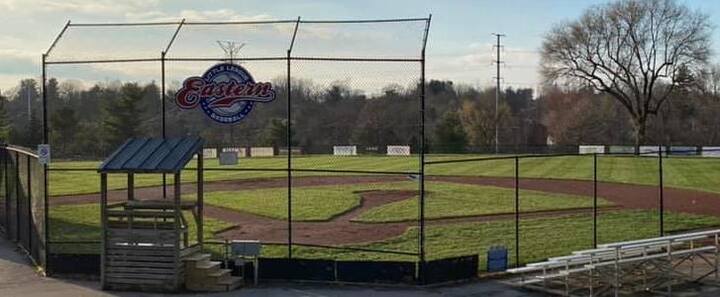 Youth BaseballFor those who play, youth baseball is an “essential” service. It serves a dual purpose of allowing the children to exercise while achieving the much-needed social interactions that they’ve been missing for so long. Even in the most stable of home environments, there are only so many walks that a family can take. Sadly, as many of our children do not live in stable and healthy homes, baseball provides an outlet where those kids can learn positive core values, engage in healthy risk taking while learning valuable life lessons in a safe environment. For these children, baseball provides a “safe place” where they can briefly escape their reality. Certainly, a compelling argument can be made that youth baseball is every bit as important to our children as nail/hair salons are to adults, yet the latter are scheduled to open first. Currently, it appears that the state and local governments are basing many of their decisions on recommendations from the CDC and other national organizations. While that information is important, other (more local) information should also be considered. For good reason, the CDC’s guidance is issued to protect those cities and regions that have been most affected by Covid-19. However, it is unfair to force Lexington youth to abide by the same rules as kids in New York City as Covid-19 simply is not that prevalent here. Allowing our youth to again enjoy baseball could help these children return to a more normal existence. All of the leagues understand that we will have to implement precautions so that everyone can enjoy baseball in a healthy and safe manner, while continuing to practice social distancing. We will happily abide by these precautions if it means we get to enjoy baseball again. Thank you for considering the above information. I am happy to answer any questions or assist in any way possible.677 of 800 SignaturesCreated by Daniel Mack
 -
 Urge NV officials to End the Death PenaltyIn April 2020, the state of Nevada agreed to relinquish its supply of drugs intended for executions to the pharmaceutical companies who manufactured them, as part of a settlement agreement in the case of Alvogen, Inc. v. Nevada. The state no longer has the means to carry out an execution, yet prosecutors continue to spend considerable funds pursuing the death penalty. We believe that the error-prone nature of the death penalty (nearly 1 in 3 cases have errors warranting retrial or re-sentencing), its bias against the indigent, Black people, and all people of color, its lack of deterrent effect, and the sheer cost of pursuing it should convince our leaders to put an end to the practice before cutting budgets for services that Nevadan's most vulnerable continue to urgently need, at a higher rate than ever before.198 of 200 SignaturesCreated by Mark Bettencourt
-
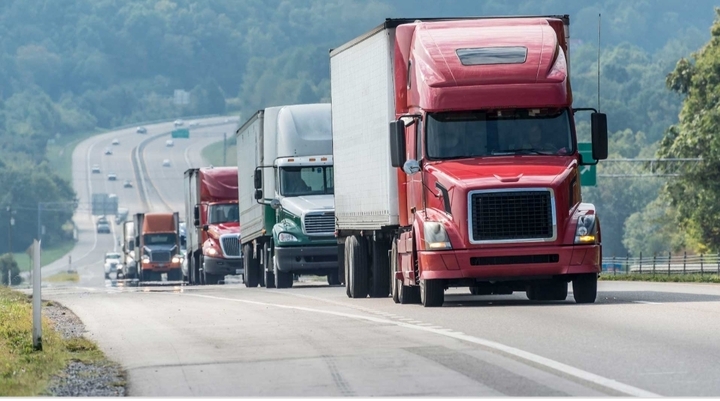 hazard payHealth care workers are getting paid $5000 a week prn,cna lpns. RNs are getting $10000 a week. in new Orleans. An $10000-$20000 a week in new York. Unknown for every where else. But truckers are risking their lifes and health to keep the economy going. They are losing pay freight dropped extremely. Some cant go home due to the virus. Something have to give. Or the next pandemic is when truckers go on strike.92 of 100 SignaturesCreated by Walter Jordan
.png)